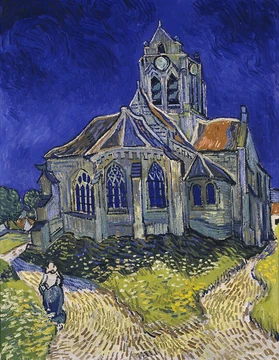
Landscape painting
Depiction of natural scenery as a coherent composition.

Landscape painting, also known as landscape art, is the depiction in painting of natural scenery such as mountains, valleys, rivers, trees, and forests, especially where the main subject is a wide view with its elements arranged into a coherent composition. Two main traditions spring from Western painting and Chinese art, going back well over a thousand years in both cases. The recognition of a spiritual element in landscape art is present from its beginnings in East Asian art, drawing on Daoism and other philosophical traditions, but in the West only becomes explicit with Romanticism.
- major traditions
- Western painting and Chinese art
- Chinese tradition name
- shan shui (mountain-water)
- Western tradition position
- low in hierarchy of genres until 19th century
- East Asian tradition position
- most prestigious form of visual art
Lore & Background
The earliest forms of art around the world depict little that could really be called landscape, although ground-lines and sometimes indications of mountains, trees, or other natural features are included. Hunting scenes from Ancient Egypt, such as those from the Tomb of Nebamun (c. A coherent depiction of a whole landscape required some rough system of perspective, which literary evidence suggests first developed in Ancient Greece in the Hellenistic period, though no large-scale examples survive. More ancient Roman landscapes survive from the 1st century BCE onwards, especially frescos at Pompeii and Herculaneum.
Reader's Guide
Landscape painting has been a significant artistic tradition for over a thousand years in both Western and Chinese art. In East Asia, the classic Chinese mountain-water ink painting (shan shui) was traditionally the most prestigious form of visual art, often created by amateur literati and emperors. In the West, landscape painting occupied a low position in the accepted hierarchy of genres until the 19th century, with history painting considered the highest form. However, history painting often required extensive landscape backgrounds, which helped develop the genre. The development of perspective in the Renaissance allowed large and complex views to be painted effectively, and the 'world landscape' style emerged in the Netherlands, using a high aerial viewpoint. The spiritual element in landscape art was recognized from its beginnings in East Asian art, drawing on Daoism, but in the West only became explicit with Romanticism.
Did You Know?
- In East Asia, the classic Chinese mountain-water ink painting was traditionally the most prestigious form of visual art.
- The Chinese style of landscape painting often used dead ground or mist to avoid the difficulty of bridging foreground figures with a distant panoramic vista.
More in Painting & Visual Arts 1-20
Spotted an error? Know more?
This is a living reference — every entry is fact-audited, and reader corrections feed straight into our audit queue. Suggest an edit · See this site's audit record